NEVI EV Charger Rollout: Progress and Persistent Roadblocks in 2025
The National Electric Vehicle Infrastructure (NEVI) program, a federal initiative designed to build a nationwide EV charging network, experienced a notable uptick in installations during 2025. However, despite this acceleration, various bureaucratic and logistical hurdles continue to hamper the rollout, delaying access to clean transportation for many Americans. This Q&A explores the key developments, roadblocks, and implications for EV adoption.
What is the NEVI program and what are its core goals?
The NEVI program, established under the Bipartisan Infrastructure Law, allocates $5 billion over five years to build a fast-charging network along designated Alternative Fuel Corridors—primarily interstate highways. Its primary goal is to create a reliable and convenient charging infrastructure that reduces range anxiety and encourages widespread EV adoption. NEVI funds cover up to 80% of project costs, with the remainder coming from state or private sources. The program mandates that charging stations be at least 150 kW per port, located every 50 miles along corridors, and within 1 mile of the highway. As of 2025, a report highlighted that while installations have accelerated, the overall pace remains insufficient due to persistent bureaucratic delays. This acceleration, however, marks a turning point after a sluggish start, with more stations coming online in the first half of 2025 than in all of 2024.
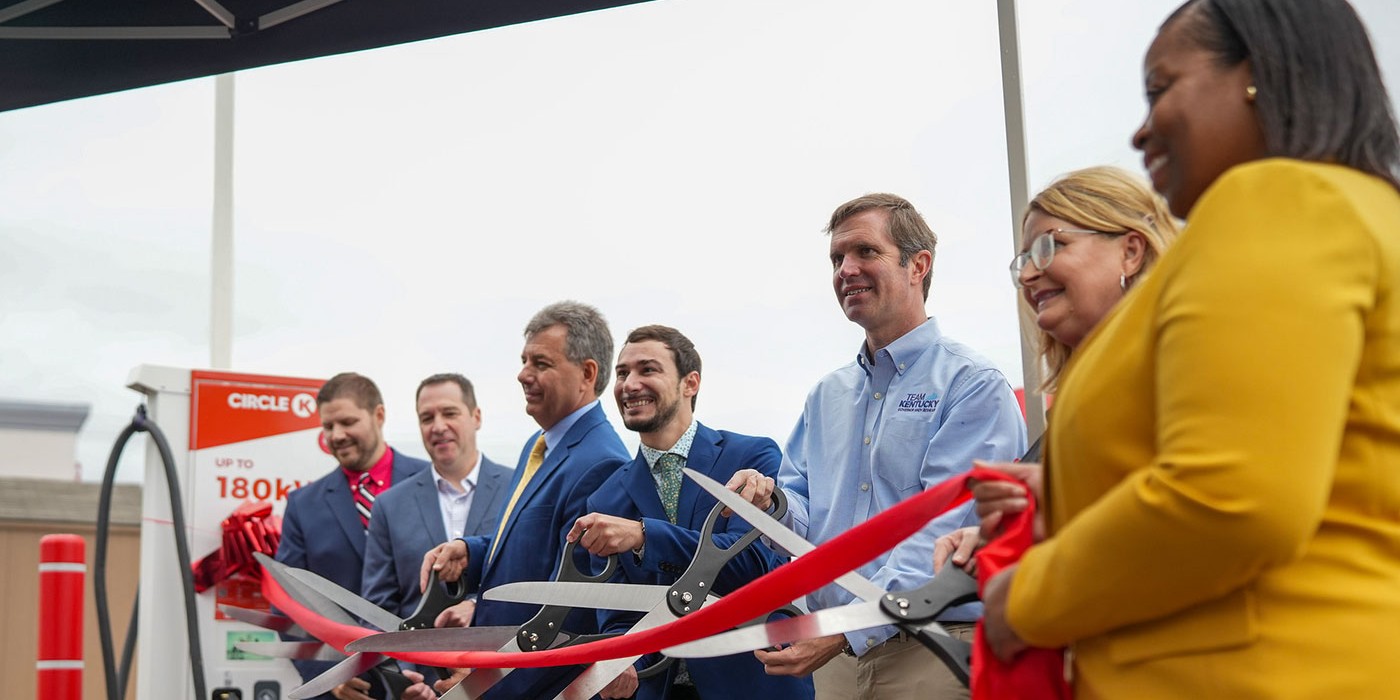
How did the NEVI rollout accelerate in 2025?
According to a recent report, NEVI-funded EV charger installations finally gained momentum in 2025. Several factors drove this acceleration: states streamlined permitting processes, more contractors gained experience with NEVI requirements, and early pilot projects proved successful. For instance, Ohio and Pennsylvania saw multiple charging hubs open along major interstates, demonstrating the program's potential. The speed of deployment increased significantly compared to 2024, when only a handful of stations were operational. However, the report also notes that this progress, while welcome, is still far below what is needed to meet the administration's target of 500,000 chargers by 2030. The acceleration is a positive signal that the program is maturing, but challenges remain—particularly at the federal level, as discussed later.
What are the main federal roadblocks slowing down the NEVI rollout?
The report identifies several unnecessary federal roadblocks that continue to hinder the NEVI rollout. First, complex environmental review processes under the National Environmental Policy Act (NEPA) can delay projects by months or even years, even for simple charger installations. Second, the requirement for every charger to undergo strict certification from a federally approved testing laboratory creates bottlenecks, as few labs have capacity. Third, the Buy America provisions—which mandate that all components be domestically sourced—have limited the availability of key equipment like charging posts and transformers. Fourth, inconsistent federal guidance on interoperability and payment systems forces states to repeatedly revise their plans. These hurdles not only slow construction but also inflate costs, discouraging private investment. As a result, many eligible corridor segments remain unbuilt, leaving gaps in the network that directly affect EV drivers.
How do these delays affect American EV drivers and adoption?
Delays in the NEVI rollout directly impact American EV drivers by prolonging range anxiety and limiting travel options. For instance, without reliable fast chargers along certain interstate stretches, EV owners cannot confidently undertake long-distance trips. This undercuts the message that EVs are a viable alternative to gasoline cars. The lack of charging infrastructure also deters potential buyers, slowing overall EV adoption. A recent survey found that 40% of consumers cite charging availability as their top concern. Furthermore, the fragmented deployment means that rural and underserved communities—where private charging companies are less likely to invest—are left behind. The NEVI program was designed to bridge this gap, but the roadblocks mean those areas remain charging deserts. Accelerating the rollout, as highlighted by the 2025 uptick, is crucial, but the pace must increase dramatically to meet both consumer expectations and climate goals.

What measures could be taken to overcome these roadblocks?
To speed up the NEVI program, the report suggests several targeted reforms. First, streamline NEPA reviews by categorizing standard charger installations as categorically excluded from detailed environmental assessments. Second, expand the list of approved testing labs and allow for self-certification with random audits. Third, issue waivers for Buy America requirements when domestic supply is insufficient—at least until manufacturing capacity catches up. Fourth, provide clear and binding federal guidance on technical standards to avoid states' repeated revisions. Additionally, creating a rapid-response team at the Department of Transportation to troubleshoot state-level delays could help. These changes would not only lower costs but also accelerate the momentum seen in 2025. Some states have already adopted best practices, and federal action could replicate that success nationwide.
Is the 2025 acceleration sufficient to meet the national charging targets?
Despite the uptick, the report concludes that the current pace is not nearly fast enough to meet the Biden administration's goal of 500,000 public chargers by 2030. At the 2025 rate, projections show only about 250,000 chargers would be installed by the deadline—half the target. Moreover, the NEVI program's specific focus on highway corridors means that even if it accelerated further, other programs (e.g., the Charging and Fueling Infrastructure grant) would need to cover urban and rural gaps. The report emphasizes that while the 2025 acceleration is a welcome improvement, without addressing the federal roadblocks and increasing funding or private involvement, the national network will remain incomplete. For now, the NEVI program serves as a crucial backbone, but it requires a significant boost in both speed and scale to truly transform America's EV charging landscape.
Related Articles
- Exploring Recent Tech Innovations: RISC-V Routers, E Ink Color Kits, and Windows 11 Updates
- Unveiling Utah's Striking Potash Ponds: An Astronaut's View
- How Speculative Optimizations Accelerate WebAssembly Execution in V8
- How the EU Is Defending Its Economy Against Fossil-Fuel Price Shocks Triggered by the Iran War
- Australia's Landmark Solar Battery Hybrid Projects: Q&A on Financing Heavy Industry
- How to Revive a Global Net-Zero Shipping Deal: A Step-by-Step Guide
- Hackaday Announces Winners of 2026 Green Powered Challenge: Sustainable Power Hacks Take Center Stage
- Flutter and Dart Take Center Stage at Google Cloud Next 2026