Tesla's Unsupervised Robotaxi Fleet Begins to Show Real Growth: Q&A
After months of little movement, Tesla's so-called 'unsupervised' Robotaxi fleet is finally showing signs of life. New data from the Robotaxi Tracker reveals that the fleet has reached a cumulative total of 25 vehicles spread across three major Texas cities. While that number is still a far cry from the ambitious forecasts made by CEO Elon Musk, it marks the first meaningful uptick in nearly a year. In this Q&A, we break down what the numbers mean, where the vehicles are deployed, and why this matters for Tesla's broader autonomous driving ambitions.
What is the current size of Tesla's unsupervised Robotaxi fleet?
According to the latest data from the Robotaxi Tracker, Tesla's unsupervised Robotaxi fleet has grown to a cumulative total of 25 vehicles. This represents the first notable increase after a prolonged period of stagnation. The tracker monitors vehicles operating without a human safety driver, and the count has been updated over the past few weeks. It's important to note that 'cumulative' means this includes all vehicles that have ever been deployed, not necessarily all active at once. Still, the shift from near-zero growth to 25 is a tangible milestone, especially given that the program has been running for almost a year with very little to show before now.
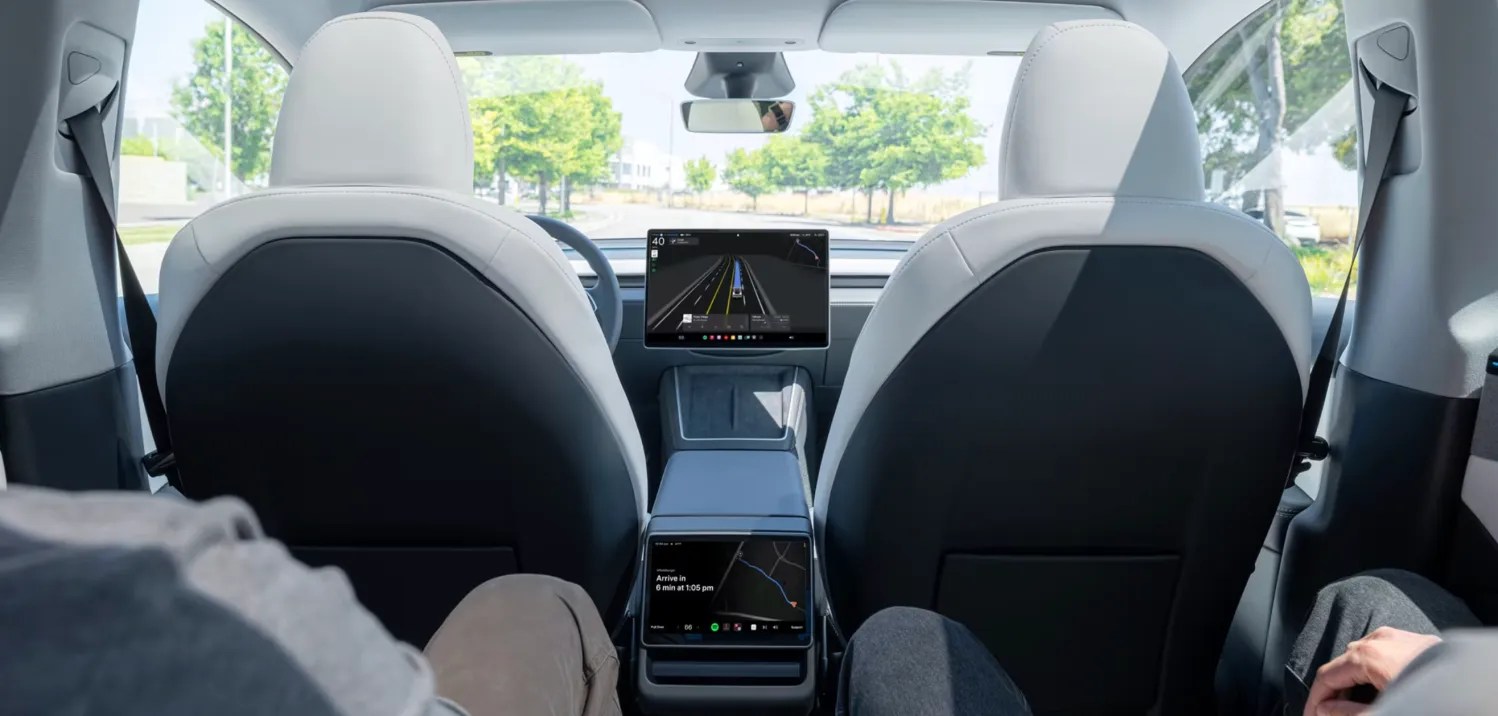
Which cities in Texas have Tesla deployed its unsupervised Robotaxis?
Tesla's unsupervised fleet is currently operating in three Texas cities: Austin, Dallas, and Houston. Data indicates that vehicles have been added in each of these locations over the past few weeks. Austin, being home to Tesla's Gigafactory Texas, was expected to be an early hub. But the expansion into Dallas and Houston suggests Tesla is testing its autonomous system in more diverse urban and suburban environments. The cities represent different traffic patterns and road conditions, which could help the company refine its Full Self-Driving (FSD) technology in real-world, unsupervised scenarios.
How does the current fleet size compare to Elon Musk's earlier predictions?
CEO Elon Musk has made bold claims about the Robotaxi network for years, at one point suggesting there would be over a million Robotaxis by 2020. More recently, he predicted that Tesla would have a fleet of 'several million' self-driving taxis within a few years. The current count of 25 vehicles is extremely far below those forecasts. It's a stark reminder of the gap between Musk's optimistic timelines and the real-world challenges of deploying autonomous vehicles safely at scale. While the recent growth is a positive sign, it underscores just how early the program still is compared to the CEO's grand vision.
What does this growth represent after nearly a year of the program?
This increase marks the first real signs of growth in a program that had essentially flatlined for months. For much of the past year, the unsupervised fleet remained static at a very low number, causing some analysts to question whether the technology was ready for deployment. The fact that Tesla has now added vehicles across three cities suggests that the company may have resolved earlier technical or regulatory bottlenecks. While 25 vehicles is a tiny fraction of what Musk promised, it represents a shift from stagnation to slow, deliberate expansion. It shows that the program isn't dead; it's just progressing far more cautiously than initially advertised.

Why is this considered a significant milestone despite the low number?
Even though 25 vehicles is minuscule in the grand scheme of Tesla's vehicle sales, the milestone is significant for several reasons. First, it demonstrates that Tesla can actually deploy unsupervised autonomous taxis in multiple urban areas, not just in controlled test tracks. Second, it breaks the narrative of complete stagnation that had plagued the program. Third, it provides real-world data that can be used to improve the FSD system. For investors and enthusiasts, any forward movement is encouraging after months of silence. It also puts pressure on competitors like Waymo and Cruise, who have more vehicles but operate in fewer cities. In short, it's a small step that could lead to bigger leaps—if Tesla can scale safely.
What caused the fleet to stagnate for months before this recent uptick?
While Tesla hasn't provided an official explanation for the prolonged stagnation, several factors likely contributed. One is the immense difficulty of achieving true unsupervised autonomy; the technology is still being refined. Regulatory hurdles in Texas—specifically around safety protocols and reporting requirements—may have slowed deployment. Additionally, Tesla may have been focusing on software updates and validation rather than fleet expansion. The company has a history of 'feast or famine' development cycles, where periods of intense testing are followed by quiet calibration. The recent growth suggests Tesla has overcome some of these challenges, but the underlying reasons for the halt remain speculative without official comment.
Related Articles
- UK Car Industry Exceeds EV Targets Despite Claims of Weak Demand
- Unlocking the Sun's Secrets: A Guide to Finding Magnetic Switchbacks Through Radio Bursts
- How to Evaluate the True Scale of the 2026 Coal Comeback
- Decoding Tesla's 1 Million Humanoid Robot Sales Target: A Comprehensive Analysis
- From Sea of Nodes to Turboshaft: V8's Evolution in Compiler Intermediate Representations
- Why the SECURE Data Act Falls Short as Consumer Privacy Legislation
- VinFast ASEAN Chief Warns Oil Price Drop Is Temporary, Electric Vehicle Shift Now 'Inevitable'
- Revolutionizing Recycling: Sennebogen's Electric Autonomous Material Handler