Recycled Glass Revolution: Vitriform3D Unveils Breakthrough Binder Jet 3D Printing Process
Startup Converts Waste Glass into 3D Printing Material
A new additive manufacturing technique promises to transform mountains of discarded glass bottles and containers into high-quality 3D printed objects. Vitriform3D has successfully developed a binder jet process that uses recycled glass powder as its primary raw material, offering an eco-friendly alternative to traditional plastics and metals.
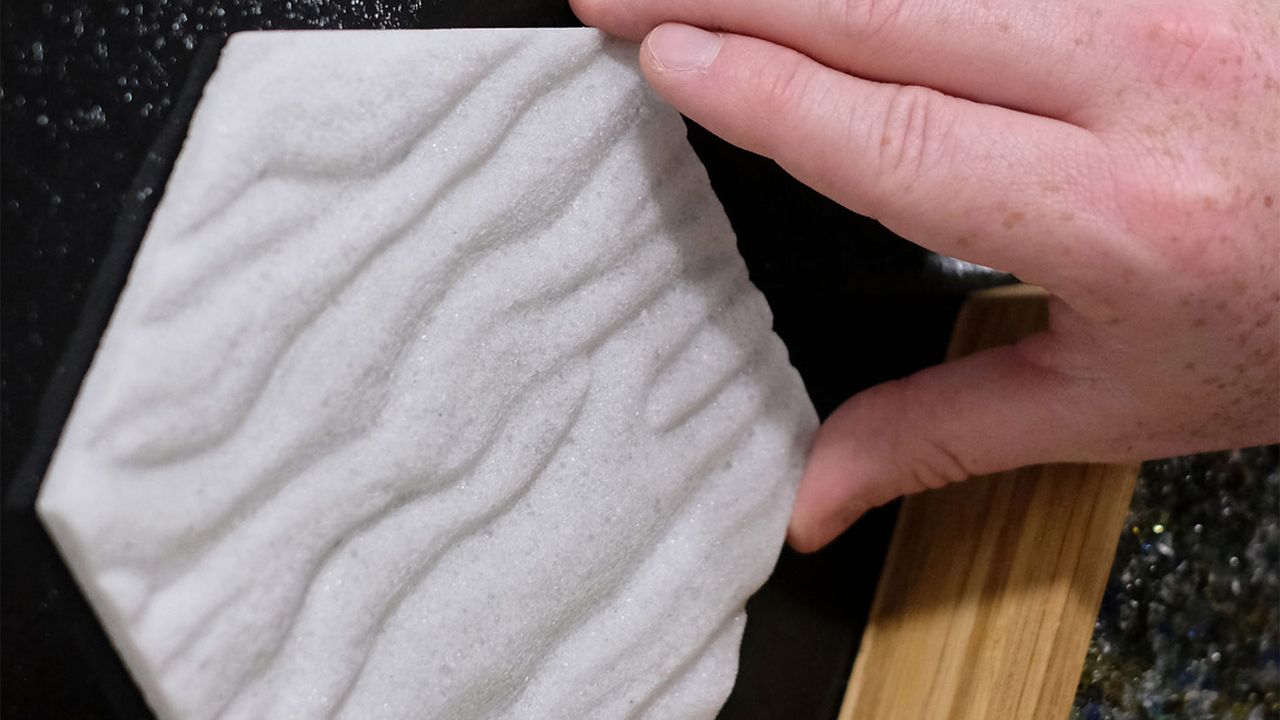
“This is a game-changer for the circular economy,” said Dr. Elena Marquez, chief technology officer at Vitriform3D. “We can take post-consumer glass — which often ends up in landfills — and give it a second life as durable, complex-shaped components.” The process combines finely ground glass with a proprietary adhesive agent, layer by layer, to create solid parts.
The company claims its technology can achieve up to 98% material utilization, with unused powder easily reclaimed and reused. Early prototypes include architectural tiles, laboratory equipment, and decorative art pieces.
How the Binder Jet Process Works
Unlike conventional fused deposition modeling (FDM) that melts filament, binder jetting spreads a thin layer of powder and selectively deposits liquid binder to fuse particles. Vitriform3D’s adapted version uses recycled soda-lime glass crushed into micron-sized grains.
After printing, the “green” parts are heated in a furnace to sinter the glass particles together, resulting in objects with strength comparable to cast glass. “The key was optimizing the binder chemistry to avoid warping during sintering,” explained materials engineer Raj Patel. The entire process runs at significantly lower energy than traditional glass melting.
Background: The Global Glass Waste Problem
Each year, over 130 million tons of glass are produced worldwide, but less than 30% is recycled back into containers. Most scrap glass — known as cullet — is downcycled into lower-value products like asphalt or landfill cover. Traditional 3D printing has largely relied on virgin plastics or metals, contributing to resource depletion and carbon emissions.
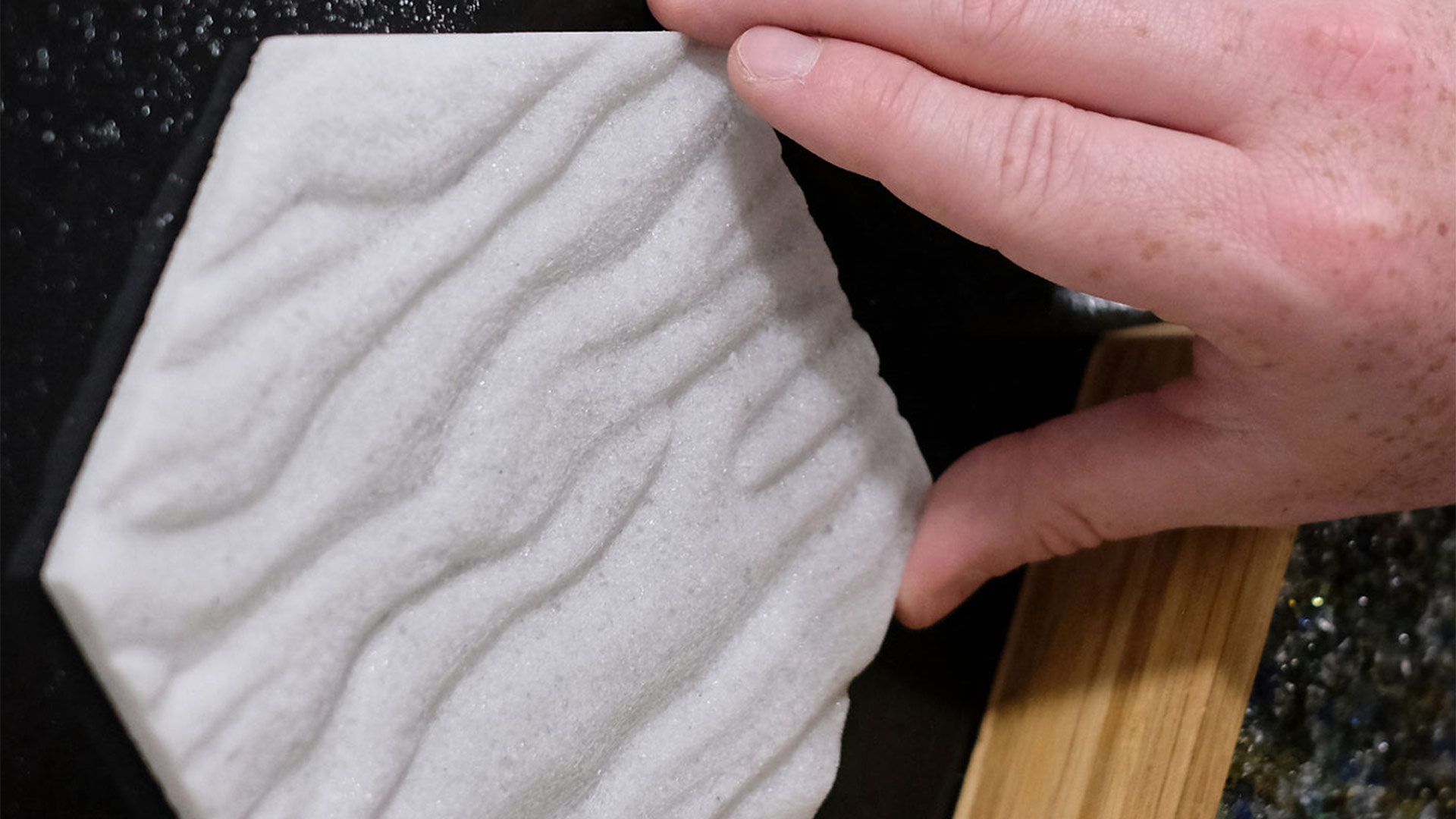
Previous attempts to print with glass involved melting it at over 1000°C, limiting applications due to high energy costs and safety risks. Vitriform3D’s binder jet approach operates at room temperature during printing, with sintering temperatures around 750°C — a substantial reduction.
“What sets this apart is scalability,” said Professor Liam Chen, an additive manufacturing expert at MIT not involved with the startup. “Binder jetting is already used in metal and sand foundries; adapting it to glass opens a huge potential for architectural and industrial components.” The startup has filed three patents related to its binder formulation and post-processing methods.
What This Means: Implications for Manufacturing and Sustainability
For industry, this innovation could drastically reduce waste in sectors like construction, where glass is often cut to shape leaving scraps. Custom architectural features, such as light-diffusing panels or structural tiles, could be printed on demand using locally sourced recycled glass.
For the environment, each ton of recycled glass used in 3D printing saves approximately 1.2 tons of raw materials and reduces CO2 emissions by 300 kg compared to virgin glass production. The technology also sidesteps the need for plastic-based filament, addressing the microplastic pollution issue.
Vitriform3D is currently piloting the technology with several European recycling firms and plans to launch a commercial printer next year. “Our goal is to make recycled glass the default material for additive manufacturing within a decade,” said CEO Aris Ventura. “This is just the beginning.”
Related Articles
- Beyond Vibes: A Reproducible Python Layer for LLM Evaluation
- AWS Nabs $4.5B Generative AI Media Startup fal as Preferred Cloud Partner
- How AI Agents Are Transforming Engineering Team Structures
- Exploring Dreams on a Pillow: A Palestinian Pseudo-Stealth Game's Poetic Glimpse into the Nakba
- The Shift to Agentic Inference: Redefining Compute Infrastructure Beyond Human Speed Constraints
- Chipotle's Turnaround: A Surprising Win for Customers and Investors Alike
- Why I Ditched My Android Phone for an iPod to Listen to Music
- How AI Agents Are Reshaping Engineering Teams: Key Insights from Industry Leaders