10 Ways Electric Bus Depots Are Revolutionizing the UK National Grid
The idea that electric buses are just like their diesel counterparts, but with a plug, couldn't be more misleading. In the UK, a quiet revolution is underway at bus depots across the country, where massive fleets of electric vehicles are doing double duty—not only moving passengers but also actively supporting the national grid. Through vehicle-to-grid (V2G) technology, these depots are transforming into giant, distributed batteries that can store renewable energy and feed it back during peak demand. This isn't a far-off concept; it's happening right now, and it's reshaping how we think about energy, transport, and sustainability. Here are ten pivotal ways electric bus depots are bolstering the UK's grid—and why this matters for everyone.
1. Transforming Buses into Mobile Power Banks
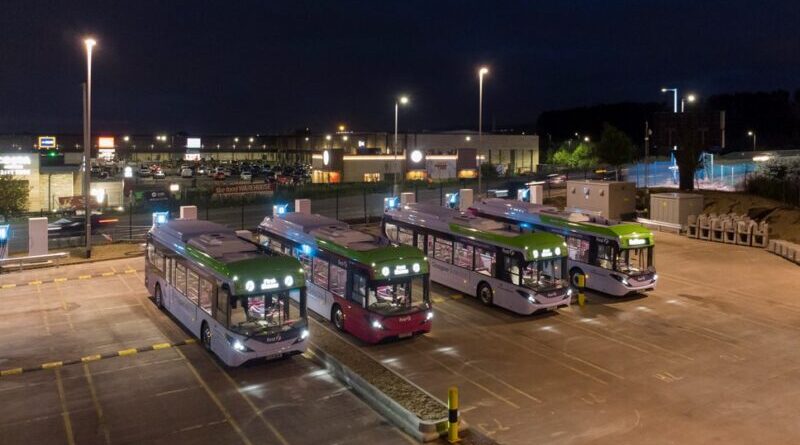
Every electric bus carries a massive battery—often in the range of 200–400 kWh. When parked at depots, these batteries can act as stationary storage units. With bidirectional chargers, the energy stored in bus batteries can be discharged back to the grid when needed, effectively turning each vehicle into a mobile power bank. This allows depot operators to sell surplus electricity during high-demand hours, earning revenue while helping to balance the grid. For example, a single depot with 50 buses can store enough energy to power hundreds of homes for several hours, proving that the humble bus is far more than a passenger carrier.
2. Smoothing Out Renewable Energy Fluctuations
The UK is rapidly expanding its wind and solar capacity, but these sources are inherently variable. Cloud cover can slash solar output; calm days drop wind generation. Electric bus depots offer a flexible buffer: when the wind blows at night, buses can charge cheaply on excess electricity, and during a lull in renewables, they can discharge stored power to keep the grid stable. This vehicle-to-grid (V2G) capability makes bus depots an essential part of the country's renewable energy puzzle, reducing the need for fossil-fuel backup plants.
3. Reducing Peak Demand Pressure
Every evening, as millions return home and switch on lights, kettles, and televisions, the UK grid faces a steep demand spike—often met by costly, polluting gas peaker plants. Electric bus depots can discharge power precisely during these peak windows, lowering the strain on the grid and cutting the need for extra generation. For instance, if a depot knows the evening rush hour is coming, it can schedule its buses to discharge power during that 5–7 pm window, then recharge overnight when demand is low and electricity is cheaper.
4. Lowering Operational Costs for Transit Authorities
Transit authorities in the UK are cleverly using V2G to offset the higher upfront cost of electric buses. By selling grid services like frequency regulation and peak shaving, they generate a steady stream of income. Some depots can earn up to £20,000 per bus per year from grid participation, dramatically lowering the total cost of ownership. This revenue can be reinvested into more electric buses or depot infrastructure, accelerating the transition to zero-emission public transport.
5. Enhancing Grid Resilience and Security
In an era of increasingly volatile weather and cyber threats, a resilient grid is vital. Electric bus depots act as distributed energy resources—small, local power stations that can island and support critical services during blackouts. For example, a depot could power emergency shelters or priority infrastructure if the main grid fails. The mobile power bank nature of buses also means that even if one depot is offline, others can compensate, creating a redundant, robust network.
6. Optimizing Charging Schedules with Smart Software
Managing hundreds of buses with different routes and schedules is complex. Smart charging software at depots uses artificial intelligence to decide when to charge and when to discharge each bus, based on real-time grid prices, upcoming route demands, and battery health. This ensures that buses always have enough range for their next trip while maximizing revenue from grid services. The system can predict traffic patterns and even weather to adjust charging, proving that the depot brain is just as important as the battery itself.
7. Cutting Carbon Emissions Across Transport and Energy
The synergy is elegant: electric buses produce zero tailpipe emissions, and when their batteries help integrate more renewables, they indirectly reduce emissions from the energy sector too. A bus that discharges stored solar power during evening peak displaces electricity that would otherwise come from gas. Studies show that optimized V2G can cut per-bus lifecycle carbon emissions by an additional 10–15% beyond just driving electric, making the depot a true climate champion.
8. Creating a New Revenue Stream for Fleet Operators
Beyond transit authorities, private fleet operators are also jumping in. By participating in National Grid's Dynamic Containment and other fast-response markets, bus depots earn payments for providing extremely rapid power injection or absorption—within seconds. This peak demand mitigation service pays handsomely and requires no extra equipment beyond the bidirectional chargers. Some operators now earn enough to cover the entire electricity cost of their depot, essentially charging their buses for free.
9. Scaling Up with Battery Second-Life Applications
When bus batteries reach the end of their useful life in transport (typically after 6–8 years), they still retain 70–80% capacity. These cells can be repurposed into stationary storage systems within the same depot, offering even more grid support capacity. This circular approach reduces waste and further lowers costs. The UK is already piloting projects where retired bus batteries power depot buildings and sell excess energy back to the grid, closing the loop.
10. Paving the Way for a Fully Decarbonized Grid
Looking ahead, electric bus depots could become the backbone of a 100% renewable UK grid. With millions of buses on the road, the collective storage capacity is enormous—potentially gigawatt-hours of flexible, clean energy. As smart grids evolve, depots will communicate with home chargers, offices, and wind farms to create a seamless energy ecosystem. This vision is already being tested in London, Manchester, and Glasgow, proving that the road to net-zero runs right through the local bus depot.
Electric bus depots are far more than parking lots with chargers; they are strategic assets that can stabilize the grid, cut costs, and slash emissions. As the UK accelerates its electric bus rollout—aiming to phase out diesel buses by 2030 in many cities—these depots will play an increasingly central role in the energy transition. Whether you ride the bus or just benefit from a more reliable, greener grid, the ripple effects of this technology touch every household. Keep an eye on your local depot: it might just be the power plant of the future.
Related Articles
- V8 Drops Sea of Nodes: Turbofan Shifts to Control-Flow Graph for Performance
- Steering into the Electric Future: A Strategic Guide to Japanese Motorcycle Giants' Electrification Journey
- How to Maximize Flutter and Dart at Google Cloud Next: A Step-by-Step Guide
- Streamlining Dataset Migrations with Automated Coding Agents at Spotify
- How to Explore Kingman’s Historic Powerhouse and Plan an Effortless EV Road Trip on Route 66
- Flutter and Dart Take Center Stage at Google Cloud Next 2026: Full-Stack Dart, GenUI Coffee Shop, and Enterprise Wins
- Flutter Team Abandons Fragmented Stack, Unifies All Core Websites Under Dart-Powered Jaspr Framework
- Unbeatable Green Deals: Top Picks for Electric Rides, Power Stations, and Lawn Care