How Korean Crossovers Are Quietly Matching Toyota’s Legendary Reliability
For a long time, anyone shopping for a used crossover or SUV would instinctively look to Japan—Toyota and Honda were the gold standards for dependability. But over the past decade, Korea's automakers have closed the gap so effectively that many models from Hyundai, Kia, and Genesis now deliver comparable reliability at a lower price point. This article answers the most common questions about this shift, explaining how Korean SUVs have earned a spot alongside the usual Japanese favorites.
Why have Korean SUVs historically been seen as less reliable than Toyota?
In the 1990s and early 2000s, Korean vehicles like the Hyundai Excel and early Kia Sportage earned a reputation for poor build quality, frequent breakdowns, and cheap interiors. Toyota, meanwhile, had already built decades of trust through models like the Camry and Land Cruiser. That reputation stuck, even as Korean manufacturers invested heavily in quality control, engineering, and long-term warranties. The gap was real at first, but by 2010, companies like Hyundai and Kia were routinely ranking near Toyota in initial quality surveys from J.D. Power and Consumer Reports. Still, many buyers continue to default to the “buy Japanese” wisdom without re-evaluating the evidence.
What specific improvements have Korean automakers made to boost reliability?
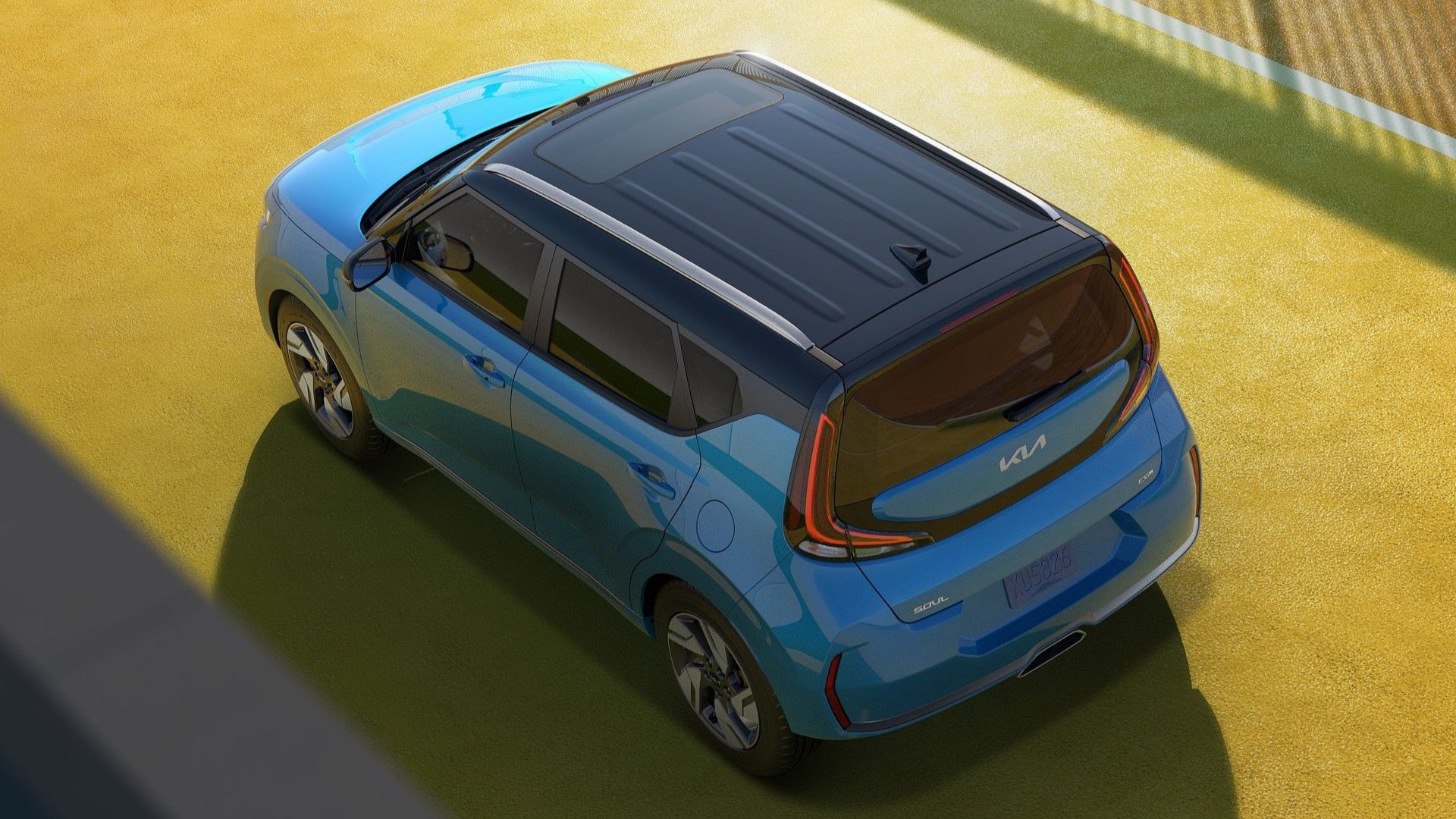
Korean brands focused on three key areas: powertrain refinement, supply chain quality, and extended warranty confidence. They adopted more durable steel, improved engine cooling systems, and transitioned to more reliable automatic transmissions (such as Hyundai’s 8-speed wet dual-clutch unit). They also built a massive R&D center in Namyang, South Korea, to test components under extreme conditions. Furthermore, the 10-year/100,000-mile powertrain warranty (in the U.S.) signaled a strong bet on long-term durability. These steps paid off: models like the Hyundai Santa Fe, Kia Sorento, and Kia Telluride now regularly score top marks for predicted reliability in owner surveys.
Which Korean SUV models are most often compared to Toyota RAV4 or Highlander?
Direct competitors include the Hyundai Tucson (versus RAV4), Kia Sportage (versus RAV4), Hyundai Santa Fe (versus Highlander), and Kia Sorento (versus Highlander). The Kia Telluride and Hyundai Palisade go up against the Toyota Grand Highlander. In terms of reliability, the Telluride and Palisade have received stronger initial quality scores than some Toyota models in recent years. For example, the 2021 Telluride earned a J.D. Power dependability rating that beat the Highlander. More details on specific reliability rankings below.
How do Korean crossovers compare in real-world reliability surveys?
Consumer Reports’ 2023 Annual Auto Survey placed the Kia Telluride above the Toyota Highlander in predicted reliability, while the Hyundai Santa Fe matched the Toyota RAV4. J.D. Power’s 2023 Vehicle Dependability Study (VDS) ranked Genesis first overall, with Kia and Hyundai placing above industry average and ahead of both Honda and Nissan. Toyota still leads in long-term durability (10+ years), but for the first five to seven years, Korean SUVs now pose a very real challenge. Independent mechanic forums also report fewer major engine or transmission failures on late-model Korean crossovers compared to earlier generations. The gap has shrunk to just a few percentage points in most categories.
What about the price advantage? Do Korean SUVs cost less to own than Toyotas?
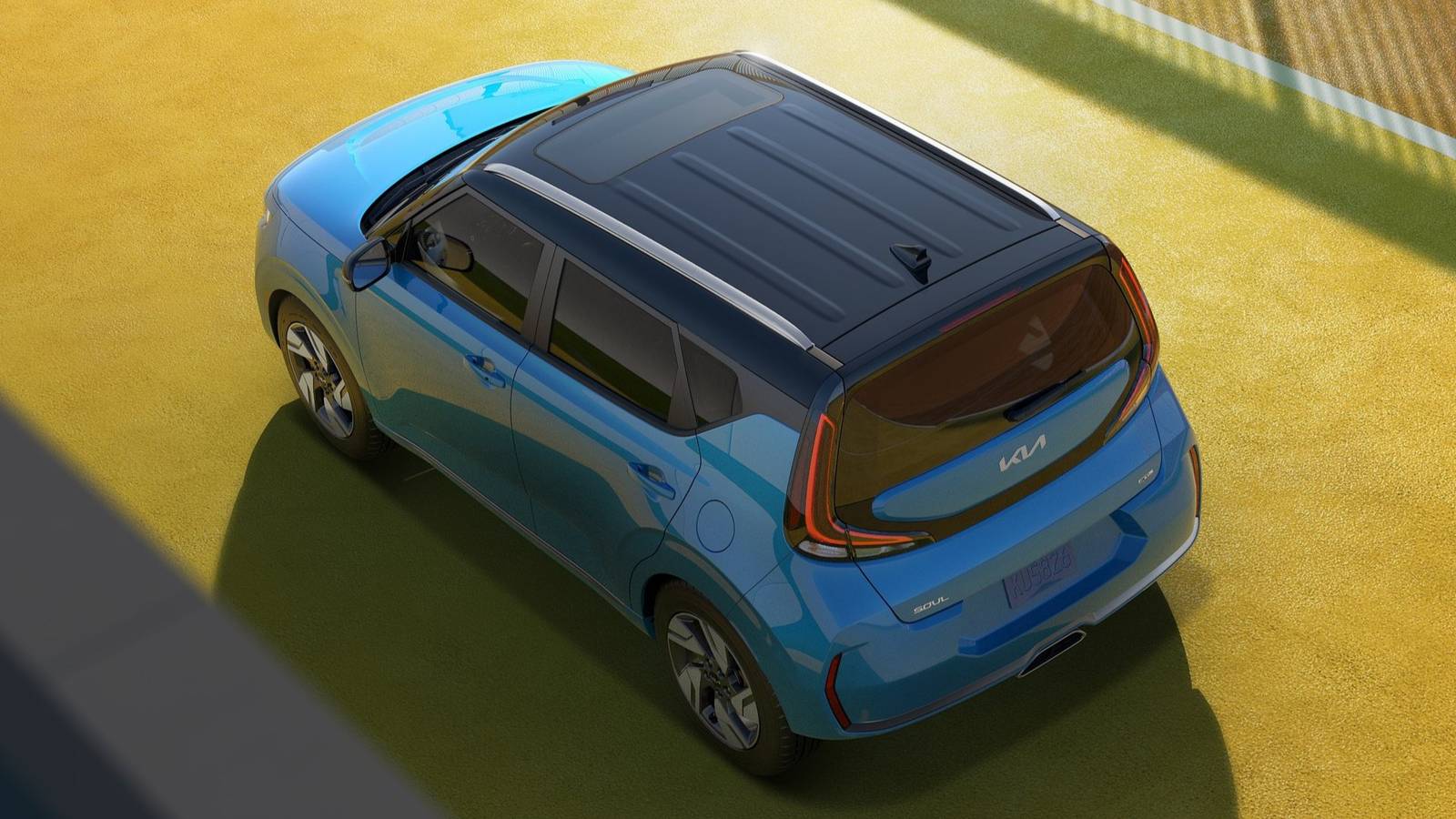
Yes, typically. A new Korean SUV can be $2,000–$5,000 less than a comparable Toyota, and that price gap persists in the used market. Korean models also often come with longer warranties (10 years/100,000 miles powertrain versus Toyota’s 5 years/60,000 miles), reducing out-of-pocket repair costs during ownership. However, Toyota vehicles tend to hold their resale value better over time, partly due to that long-standing reputation. So if you plan to keep the car for 3–5 years, a Korean crossover may be cheaper to own; if you plan to drive it 10+ years, the total cost of ownership could be very close. The biggest savings come from lower purchase price and less frequent minor repairs in the first 100,000 miles.
Are there any areas where Korean SUVs still lag behind Toyota?
While reliability has improved dramatically, three areas remain weaker: resale value, engine longevity beyond 150,000 miles, and rust protection in harsh winter climates. Toyotas often run for 200,000+ miles with minimal rust, while some older Hyundai/Kia models show corrosion sooner. Also, driver assistance features on Toyotas tend to be more polished in real-world use (adaptive cruise control smoothing). But these gaps are narrowing—Kia’s latest UVO connectivity system, for example, is considered more intuitive than Toyota’s Entune. For most buyers, the differences are small and the overall reliability parity is real.
Should I buy a used Korean SUV instead of a used Toyota? What to watch for?
If you are on a budget, a 3-year-old Hyundai Tucson or Kia Sportage offers excellent value—often $5,000 less than a comparable RAV4 with similar mileage. The key is to check service history and avoid early model years when recalls were common (e.g., 2015–2018 Hyundai Tucson engine fire issues). Look for models with the “Theta II” engine replacement or those built after 2020, which have improved greatly. Also, ensure the 10-year warranty is transferable if buying from a private seller. For a first-time used SUV buyer, a certified pre-owned Kia Telluride or Hyundai Santa Fe is a strong alternative to a used Highlander—and you can save thousands upfront.
Related Articles
- Q1 2026 Internet Outages: A Comprehensive Q&A
- HP Z6 G5 A Workstation: A Deep Dive into the Latest Linux-Ready Powerhouse
- 10 Must-Watch Series Coming to Apple TV+ This Summer
- Your Step-by-Step Guide to Android 17's Gemini Intelligence Features
- RAM Crisis Deepens: New Data Reveals Unprecedented Shortage Severity
- JetStream 3.0: 5 Game-Changing Updates Every Web Developer Should Know
- 10 Key Insights from the GPT-1 Paper That Revolutionized Language AI
- Top Electric Bikes for Every Budget: Expert Picks for May 2026