10 Surprising Ways Crimson Desert Redefines the Single-Player RPG Experience
Crimson Desert isn't your typical solo adventure. While it's a single-player RPG at heart, the game has been making headlines for its MMO-style updates and intense responsiveness to player feedback. Pearl Abyss, the studio behind the critically acclaimed Black Desert MMO, has brought a live-service mentality to a genre that traditionally sticks to static launches. In this list, we break down the ten key aspects that set Crimson Desert apart—from its no-roadmap philosophy to its community-driven changes. Whether you're a skeptic or a fan, here's everything you need to know about how this fantasy epic is rewriting the rules.
1. A Solo RPG With an MMO's Pacing
Crimson Desert is undeniably a single-player experience, but its development cycle mirrors that of a live-service multiplayer game. Regular patches roll out not on a fixed calendar, but in response to what players are saying. It's a rhythm that feels more like an MMO than a traditional RPG, with rapid adjustments arriving weeks—sometimes days—after launch. This unique hybrid approach has drawn both curiosity and praise, as it blurs the line between curated solo experiences and community-driven online worlds.
2. Instant Feedback Loop Between Players and Devs
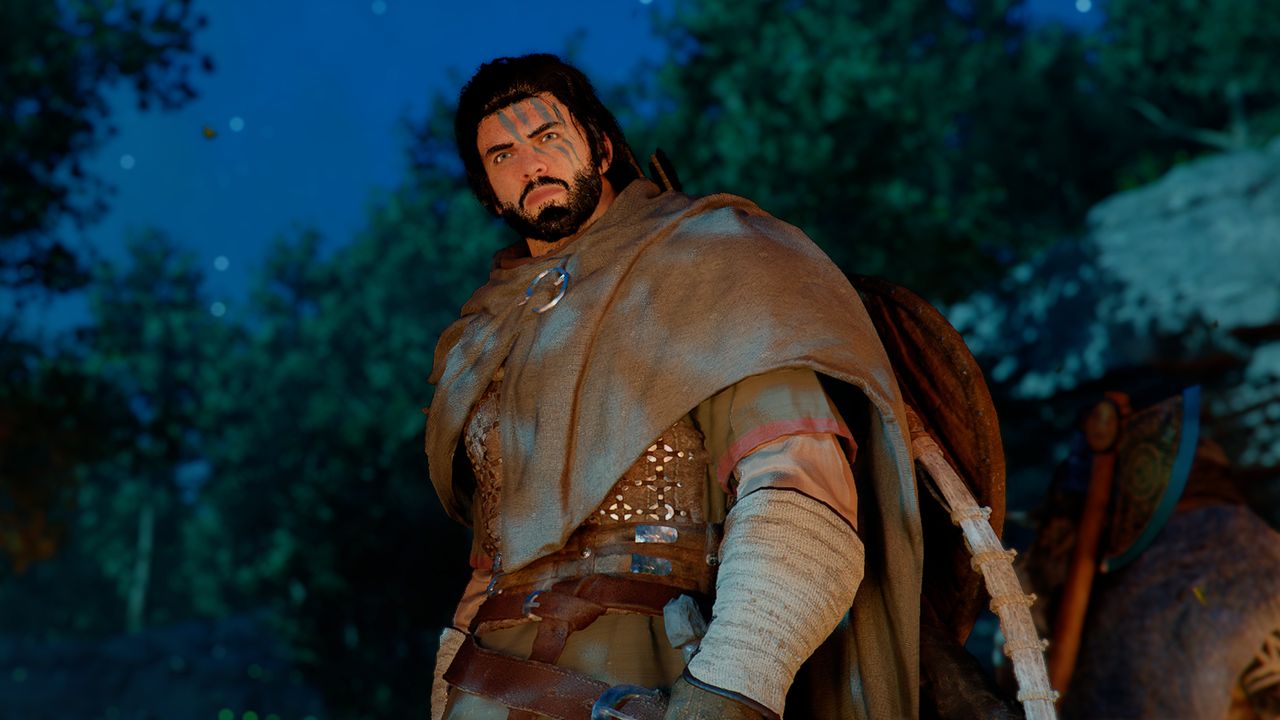
When the playerbase asks for something, Pearl Abyss listens and acts fast. PC Gamer's features producer summed it up: “the playerbase says jump, and Pearl Abyss says how high.” This isn't just PR spin—visible changes like a new hide-helmet button appeared shortly after requests surfaced. The developer treats community feedback as a real-time steering wheel, not a suggestion box. It's a level of responsiveness rarely seen in single-player titles, making fans feel directly involved in shaping the game.
3. No Fixed Roadmap—Adaptation Over Assumption
Pearl Abyss marketing director Will Powers made it clear: there is no rigid, pre-announced roadmap with set dates. Instead, every patch and content addition is “iterated in real time based on feedback.” The philosophy avoids predictions about what players want, reacting instead to actual behavior and requests. As Powers told the Washington Post, “If you bake in a roadmap, you’re presuming. We are not baking in presumptions.” This adaptive model keeps the game responsive rather than locked into a distant plan.
4. Black Desert's Live-Service DNA Carries Over
The studio's extensive work on the MMO Black Desert Online laid the groundwork for Crimson Desert's nimble update cadence. Powers emphasized that the rapid, feedback-driven support now applied to this single-player game is “business as usual” for an MMO studio. The experience of managing a constantly evolving online world taught them to pivot quickly and value player input over internal timelines. That operational muscle memory now benefits a solo RPG, giving it a support pace that's “not normal in the industry” but perfectly normal for Pearl Abyss.
5. 'That Is Not Normal in the Industry. That Is Normal Here.'
Powers's candid quote to the Washington Post has become a rallying cry for Crimson Desert's development approach. While most single-player games receive a few post-launch patches and then move on, Pearl Abyss treats its solo title like an ongoing service. The statement underscores a deliberate cultural difference: the studio is comfortable with an open, iterative process that many AAA companies avoid due to ego or rigid release schedules. It's a mindset that puts player satisfaction ahead of preconceived notions of a “completed” product.
6. Player Requests Go From Wish to Reality Quickly
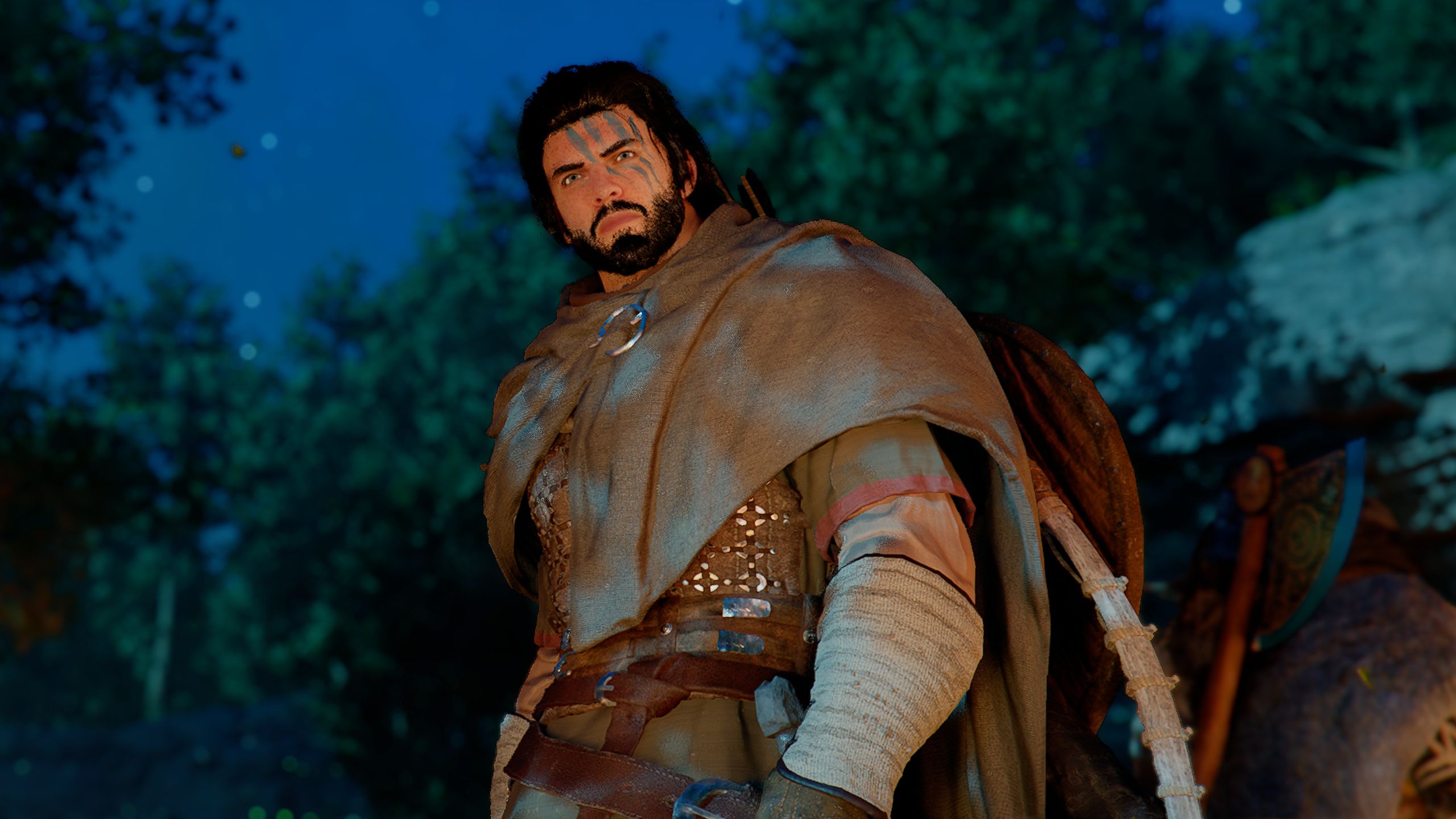
Even small quality-of-life improvements get priority. One notable example: players wanted a “hide helmet” button to show off character faces in armor. Not long after, the feature was live. This rapid fulfillment builds trust and demonstrates that even minor feedback matters. Other tweaks—like reworked movement controls and additional difficulty settings—show that Pearl Abyss treats every suggestion as a potential improvement. It's a far cry from the “we'll consider it for a sequel” attitude common in the industry.
7. Movement Controls Overhauled in Weeks, With a 'Classic' Option
Launch feedback indicated movement felt clumsy to some players. Within a few weeks, Pearl Abyss released a complete overhaul, reworking the controls to be smoother and more intuitive. At the same time, they kept the original control scheme as a “classic” option for players who preferred it. This dual approach respects both innovation and nostalgia—a delicate balance that shows the studio is willing to revamp core mechanics mid-stream without alienating anybody. It's a level of agility rarely seen in single-player RPGs.
8. Difficultly Options for Every Play Style
Whether you found Crimson Desert too punishing or too easy, help arrived swiftly. Post-launch updates introduced a suite of new difficulty modes, letting players tailor the challenge to their liking. The changes came directly in response to community discussions, proving that Pearl Abyss is listening across the entire difficulty spectrum. Instead of enforcing one vision of challenge, the studio handed the choice to the player—a move that broadens the game's appeal and respects different skill levels and time constraints.
9. Community Ownership Fosters Passion and Wholesome Fandom
By giving players a tangible voice in development, Pearl Abyss has cultivated an unusually passionate and positive community. PC Gamer's online editor noted that the fanbase feels “pretty dang wholesome” and that this engagement may be “critical to the game's success.” When players know their feedback can shape the game, they're more likely to discuss, share, and defend it online. That sense of partial ownership turns casual players into advocates, fueling organic word-of-mouth that no marketing budget can buy.
10. Ideas Welcome From Anywhere—No Ego, No Silicon Valley Arrogance
Powers summed up the studio's inclusive innovation philosophy: “We’re not onerous about, if an idea didn’t come from us, then it can't be in the game.” He criticized other companies for being “too ego-driven” to accept outside ideas, calling it “Silicon Valley-esque.” Instead, Pearl Abyss believes good ideas can come from anyone—players, community members, or junior staff. This open-minded approach removes the typical corporate gatekeeping and allows the game to benefit from collective creativity, not just internal vision.
Crimson Desert is proving that a single-player RPG doesn't have to be static. By borrowing the best practices from MMO live services—rapid patches, genuine feedback loops, and an ego-free attitude toward ideas—Pearl Abyss is setting a new standard. Whether you're a hardcore player or a curious onlooker, these ten insights reveal a game that's as dynamic as the community that loves it. The journey is far from over, and if the past is any indicator, the best updates are the ones the players will ask for next.
Related Articles
- Scientists Uncover Plant Cells' Secret Mathematical Code to Survive Sun's Wrath
- How to Transform Your PlayStation 5 into a Linux Gaming Rig: A Step-by-Step Guide
- 10 Shocking Secrets Behind Resident Evil Requiem's Terrifying New Zombies
- The Outer Worlds: Spacer's Choice Edition Becomes the Only Version as Original Gets Delisted
- Testing Microsoft's Auto SR: A Promising but Flawed Upscaling Solution for Handheld Gaming
- All You Need to Know About Hasbro's Ultimate Grogu Animatronic
- Transforming Game Vision: A Step-by-Step Guide to Project Ethos' Strategic Pivot
- Dataminers Uncover Clues for Future Characters in Invincible Vs