The Shrinking Human Brain: A Mystery of Evolution
Introduction
For decades, researchers have observed a curious trend in the fossil record: the average human brain size has been decreasing since the end of the last Ice Age. While early Homo sapiens boasted brains averaging 1,500 cubic centimeters, modern humans average around 1,350 cc—a drop of roughly 10%. This shrinkage has sparked intense debate among anthropologists and neuroscientists. Is our brain truly getting smaller? If so, does it mean we are becoming less intelligent, or is something else at play?
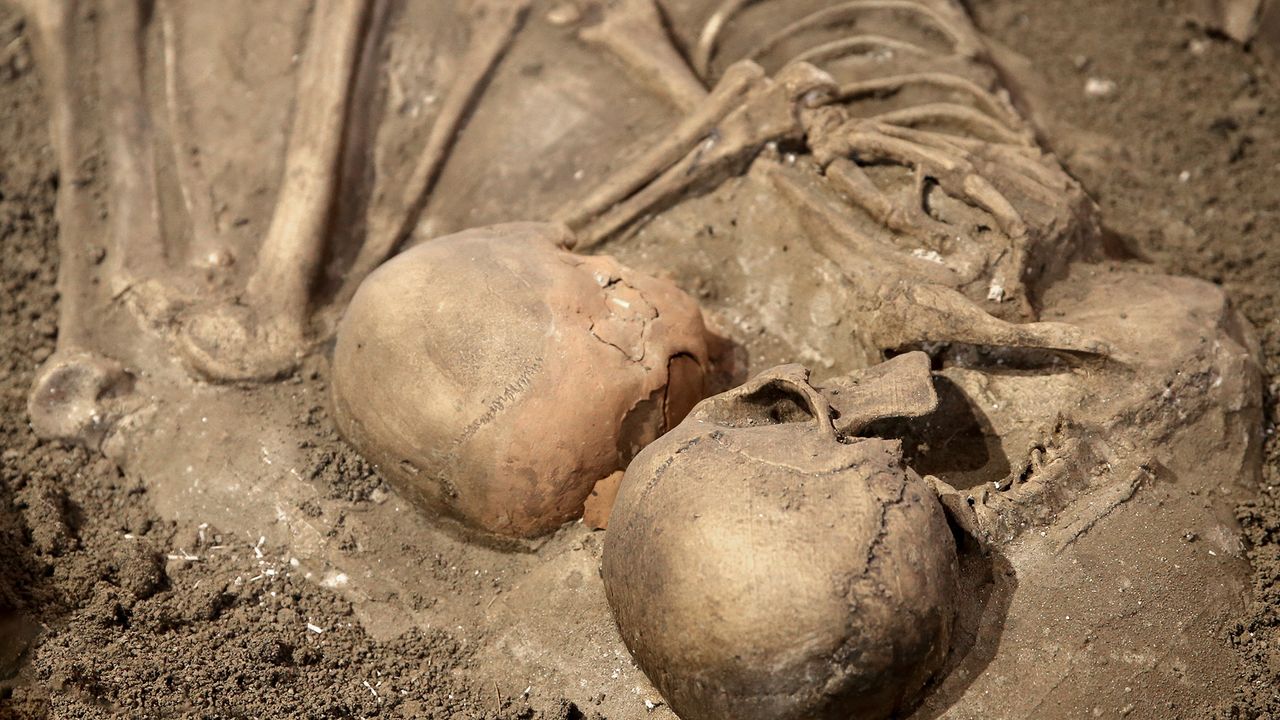
The Evidence for Brain Shrinkage
Fossil Records and Cranial Capacity
Paleoanthropologists have measured cranial capacity from skulls spanning the past 100,000 years. Studies such as those by John Hawks (University of Wisconsin) indicate that brain size peaked about 20,000 years ago and has been declining since. A 2011 paper in Frontiers in Human Neuroscience confirmed that this reduction occurred after the agricultural revolution, roughly 10,000 years ago. However, not all populations show the same trend—some remain stable or even increase slightly.
Modern Brains vs. Ancient Brains
Comparing modern humans to Neanderthals or early Homo sapiens is tricky because body size also influences brain volume. When adjusted for body size, the reduction is less dramatic but still present. Some scientists argue that the trend may be an artifact of sampling bias—skulls from colder regions (larger bodies) may skew the average.
Debating the Cause: Why Are Brains Shrinking?
1. The Efficiency Hypothesis
One leading theory suggests that brains have become more efficient, not smaller in terms of processing power. Just as computers get faster while components shrink, our neural wiring may have become more streamlined. Evolutionary neurobiologist Bruce Lahn at the University of Chicago has noted that genes linked to brain development have undergone recent selection, possibly favoring efficiency over raw size.
2. The Farming and Diet Shift
With the advent of agriculture, human diets changed dramatically—from varied hunter-gatherer fare to grain-heavy meals. Some researchers link this shift to a slight decrease in brain size, as nutrient availability may have impacted development. However, this theory remains controversial because brain size reduction predates major dietary changes in some regions.
3. The Social Brain Hypothesis
Another intriguing idea is that as human societies became more complex, we outsourced memory and problem-solving to external systems—writing, arithmetic, calendars. This “cognitive offloading” could have reduced selective pressure for large brains. A 2018 study in PLOS ONE found that brain size in ants decreased when colonies developed sophisticated division of labor—a parallel to humans.
4. Self-Domestication
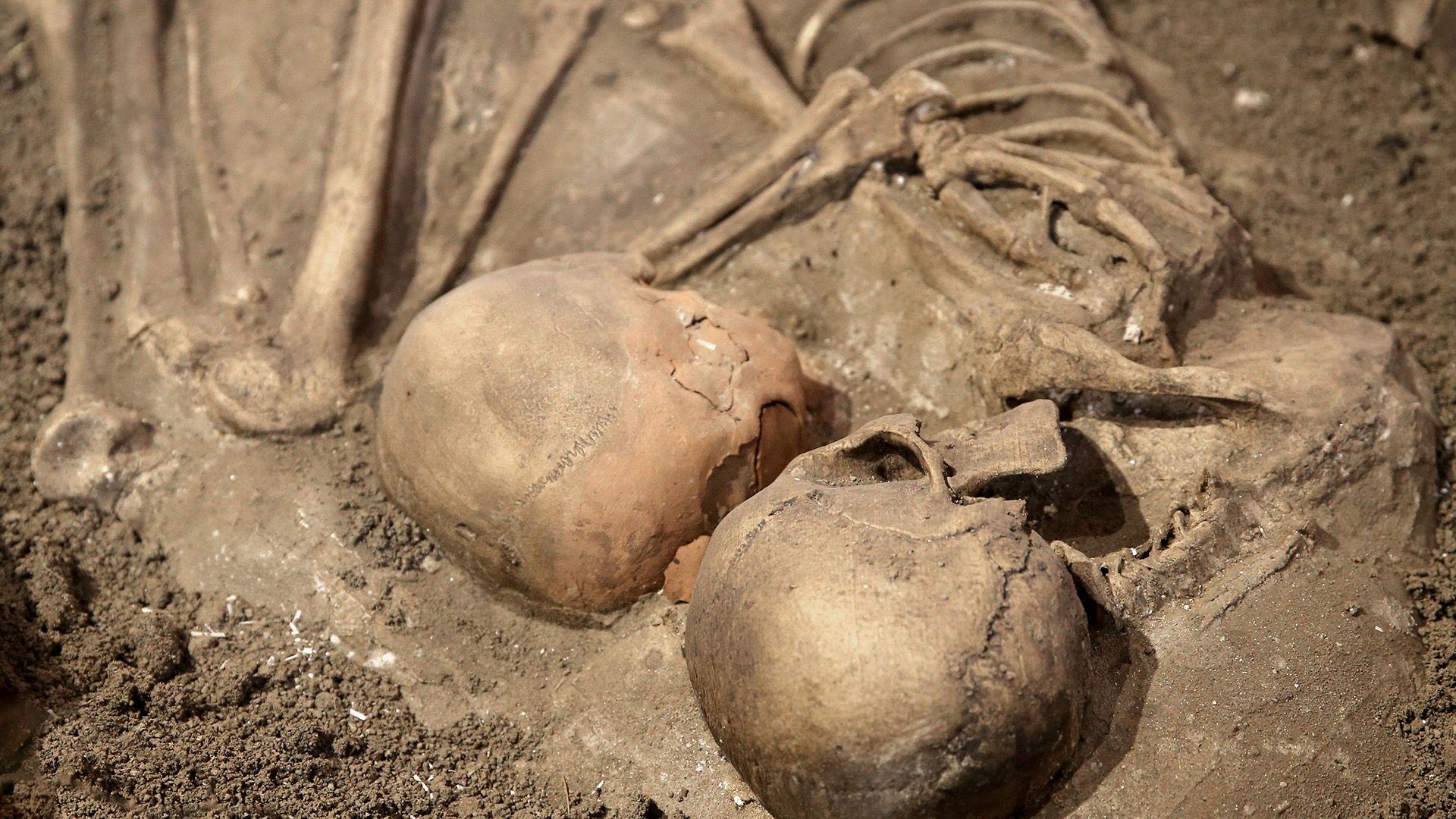
Just as domesticated dogs have smaller brains than wolves, humans may have self-domesticated. Tamer individuals with less aggression might have survived better in social groups, and reduced brain size is a common consequence of domestication. Richard Wrangham of Harvard has championed this idea, noting that human skulls have become more gracile (less robust) over time.
Does Shrinking Mean Dumber?
Not necessarily. Intelligence is not solely a function of brain size. Elephants and whales have much larger brains than humans, yet our cognitive abilities are unique. Within humans, the correlation between brain size and IQ is weak—around r=0.3. Moreover, modern humans consistently outperform our ancestors on tests of abstract reasoning, suggesting that brain organization matters more than volume.
Counterarguments and Skepticism
Some experts, like Dr. Chet Sherwood of George Washington University, caution that the fossil data is too sparse to confirm a clear trend. Many skulls are incomplete, and our understanding of ancient body size is uncertain. Others argue that brain shrinkage may be an illusion caused by averaging across different populations. A 2022 review in Current Anthropology concluded that the evidence for a consistent decline is weak.
Conclusion
The shrinking human brain remains one of evolution’s most puzzling narratives. Whether due to efficiency, domestication, or social changes, the trend does not imply diminished intelligence. Our brains appear to have traded raw bulk for better connectivity and specialization. As research continues, the debate reminds us that bigger isn’t always better—and that the story of our mind is written not just in volume, but in the intricate dance of neurons.
Further Reading
Related Articles
- 10 Key Developments in Katsuhiro Otomo’s Upcoming Sci-Fi Film 'Orbital Era'
- Apple TV+ Summer Sci-Fi Spectacular: Three Fan-Favorite Series Return
- Python 3.14.3 and 3.13.12 Roll Out: Free-Threaded Python Goes Official, Bug Fixes Abound
- How Labyrinth 1.1 Ensures Your Messenger Backups Survive Device Loss and Switch
- 5 Major Updates Coming to Apple Watch Series 12 and watchOS 27 This Year
- GitHub Enterprise Server Search: A Q&A on Our High Availability Redesign
- Safari Technology Preview 241: 10 Crucial Enhancements and Fixes
- 10 Key Updates in Safari Technology Preview 241 You Should Know