Inside Gothic Remake: Why the Scrappy Eurojank RPG Still Delivers 25 Years Later
Welcome to the Colony, a brutal penal settlement where you're nothing more than a nameless convict tossed into a magical cage. Gothic Remake revives the classic Eurojank RPG that inspired The Witcher, and despite a shiny new coat of paint, it remains delightfully punishing. Here's everything you need to know about this hardcore experience.
What makes Gothic Remake's opening so brutally challenging?
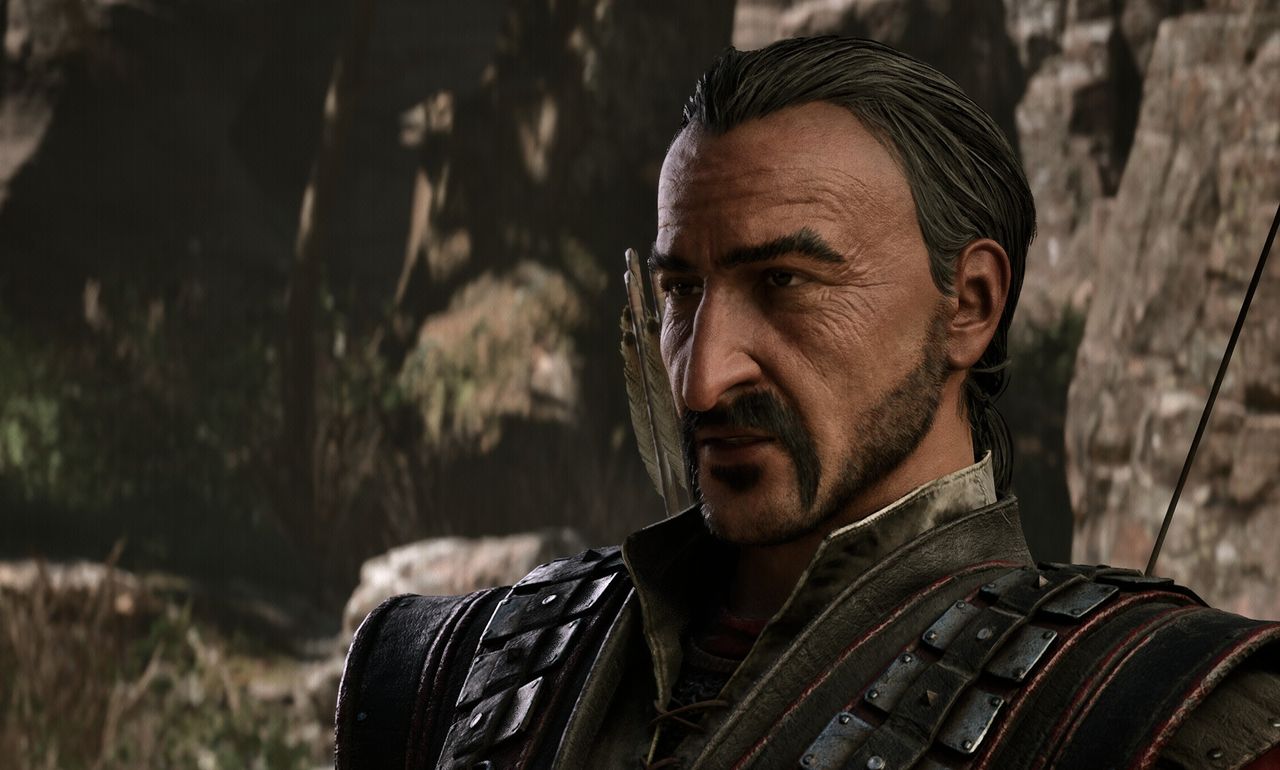
Gothic Remake wastes no time reminding you of your insignificance. You start with no weapons, no armor, and—most crucially—no skills. Even a single wolf can end you in seconds, and that's after you manage to scrounge up a rusty blade. The game's early hours are a deliberate gauntlet: you must stop being useless. Instead of rushing into combat, the smart play is to explore, talk to every NPC, join a faction, and learn simple survival skills. The Colony is a place where every step can lead to death, but that harshness is exactly what makes your eventual rise so satisfying.
How does Gothic Remake differ from modern RPG power fantasies?
Most modern role-playing games, especially those from the West, indulge in what's often called the 'American power fantasy.' In Skyrim, you can wander into a cave, slay a few goblins, and emerge dripping with enchanted gear and spells. Gothic Remake is the polar opposite. It's German to its core—scrappy, methodical, and unforgiving. Progression is earned through grit and patience, not handed out freely. The game expects you to struggle, to fail, and to adapt. That contrast is what makes it so refreshing for players tired of being treated like an invincible hero from minute one.
How does the Colony's lore drive the gameplay experience?
The setting is a masterpiece of environmental storytelling. The Colony was originally a penal camp where inmates mined ore for the King's war effort. But the prisoners revolted, killed the guards, and now run the place—all while trapped by an uncontrollable magical barrier. The King cannot send soldiers in, so he must negotiate with the criminals for his precious ore. This political tension creates a web of factions, alliances, and betrayal. Every quest, whether it's finding ingredients for a grim stew or avenging a dead man by killing molerats, feels grounded in the Colony's harsh reality. The mundane tasks fuel your survival while the overarching power struggle keeps you hungry for more.
What happened to the original developer Piranha Bytes?
Sadly, Piranha Bytes—the studio that birthed the Gothic series—is no more. The studio fell victim to Embracer Group's aggressive acquisition strategy, which led to its closure earlier this year. However, the remake is in capable hands. Barcelona-based Alkimia Interactive has preserved the original vision with remarkable fidelity. The new team understands that Gothic's charm lies in its Eurojank quirks: the clunky combat, the harsh learning curve, and the uncompromising world design. They've updated visuals and controls but kept the core spirit intact, ensuring longtime fans won't feel betrayed.
How does Gothic Remake compare to Kingdom Come: Deliverance?
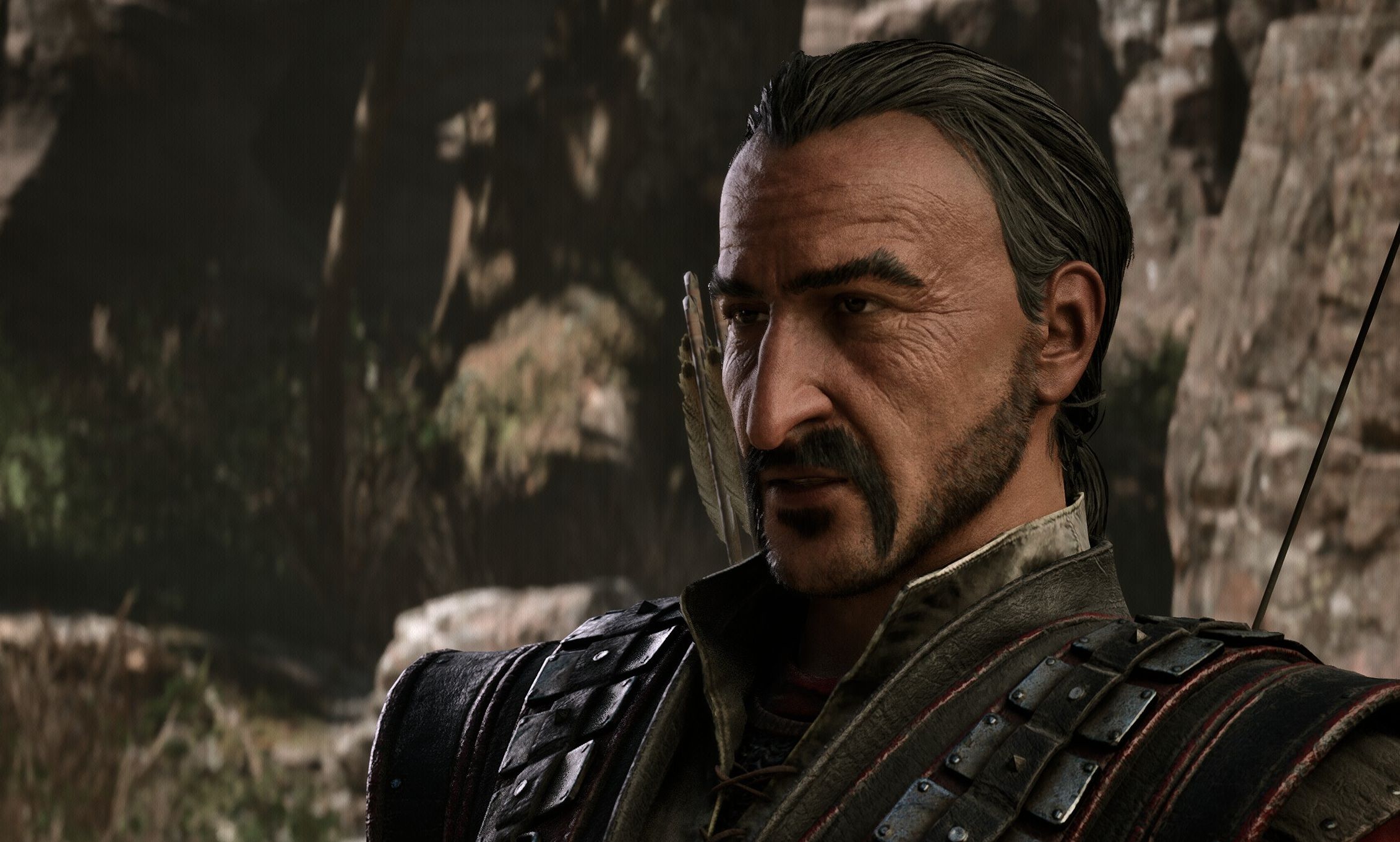
If you missed the original Gothic but played Kingdom Come: Deliverance, you'll find a kindred spirit. Both games start you as a nobody—completely useless in combat and society. You can't swing a sword properly, you have no reputation, and every early victory feels earned through blood and sweat. Gothic Remake shares that same philosophy: you begin as some guy, not a destined hero. But while Kingdom Come grounds its struggle in historical realism, Gothic spices it up with low fantasy and dark humor. The result is a game that respects your intelligence but never coddles you.
What keeps players engaged during Gothic Remake's more mundane quests?
At first glance, tasks like gathering ingredients for a grim stew or hunting molerats sound dull. But Gothic Remake weaves these chores into a larger tapestry of survival and faction politics. Every dull job teaches you something about the Colony's ecosystem. You learn which NPCs can be trusted, which skills matter most, and where to scavenge valuable resources. More importantly, the promise of future power—becoming a leader in one of the three factions and eventually escaping the barrier—keeps you motivated. The game rewards patience and exploration, turning seemingly boring errands into stepping stones toward domination.
Related Articles
- Reviving Classic PhysX: RTX 5090 Gets a Performance Boost with RTX 5060 as Dedicated Secondary GPU
- CRT Gaming at Interlaced 4K: How One Enthusiast Pushed the Limits
- Indie Game Bundle Bonanza: Your Questions Answered on Fanatical and Humble Bundle Showcases
- 7 Insights Into Subnautica 2’s Unwavering No-Weapon Policy
- Apple Rushes to Supreme Court to Halt App Store Fee Ruling Amid Epic Games Fight
- Metroid Prime 4: Beyond Discount – Everything You Need to Know
- Forza Horizon 6 Pre-Orders Signal Racing Games’ Last Stand as a Mainstream Genre
- 7 Fascinating Facts About How Final Fantasy 14's Sultry Song 'Sinister' Was Crafted